
Exploring Endless Possibilities
Overview
Primary education lays the foundation for literacy, numeracy, and essential learning skills in young children. It introduces core subjects such as science, mathematics, geography, history, and social studies, while encouraging curiosity, creativity, and critical thinking.
At Dar-ul-Madinah, our primary program combines academic excellence with Islamic values to help students grow with strong character, discipline, and confidence. Alongside traditional subjects, we also introduce age-appropriate digital literacy and technology skills, enabling students to adapt to the modern world responsibly while remaining grounded in Islamic principles.
Assessment
At Dar-ul-Madinah International Islamic School System, assessments are designed to support
learning and measure achievement in a meaningful way. We implement a combination of formative and summative assessments to provide a fair and comprehensive evaluation of student progress.
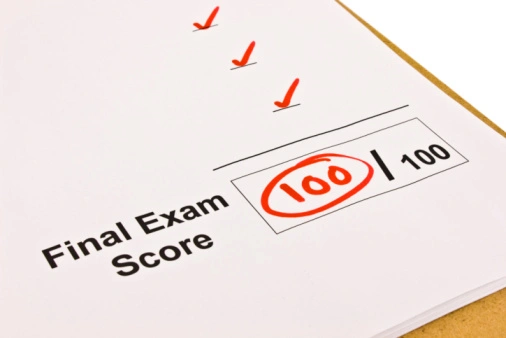
Summative assessments are conducted at the end of terms and the academic year, including mid-term and final examinations. These provide a clear measure of how well students have achieved the learning objectives and curriculum standards.
Formative assessments take place regularly through classroom activities, quizzes, projects, and teacher observations. These help in identifying learning needs early and allow teachers to adjust their instruction while giving students timely feedback to improve.
By integrating both approaches, Dar-ul-Madinah ensures that assessments not only reflect academic performance but also encourage skill development, conceptual understanding, and character growth. This balanced system supports continuous progress while preparing students for future academic challenges.
Monitoring and Evaluation
Dar-ul-Madinah International Islamic School System has a robust framework for monitoring and evaluation to uphold the highest standards of teaching and learning.
Cluster Education Managers (CEMs): Through scheduled campus visits, CEMs observe classroom teaching using standardised proformas, review academic planning, and provide teachers with detailed feedback and recommendations. Principals and coordinators are also engaged in this process to ensure implementation and follow-up.
This systematic process not only maintains consistency across all campuses but also enhances
teacher capacity, strengthens curriculum delivery, and ensures that students benefit from an academically rich and morally nurturing environment.
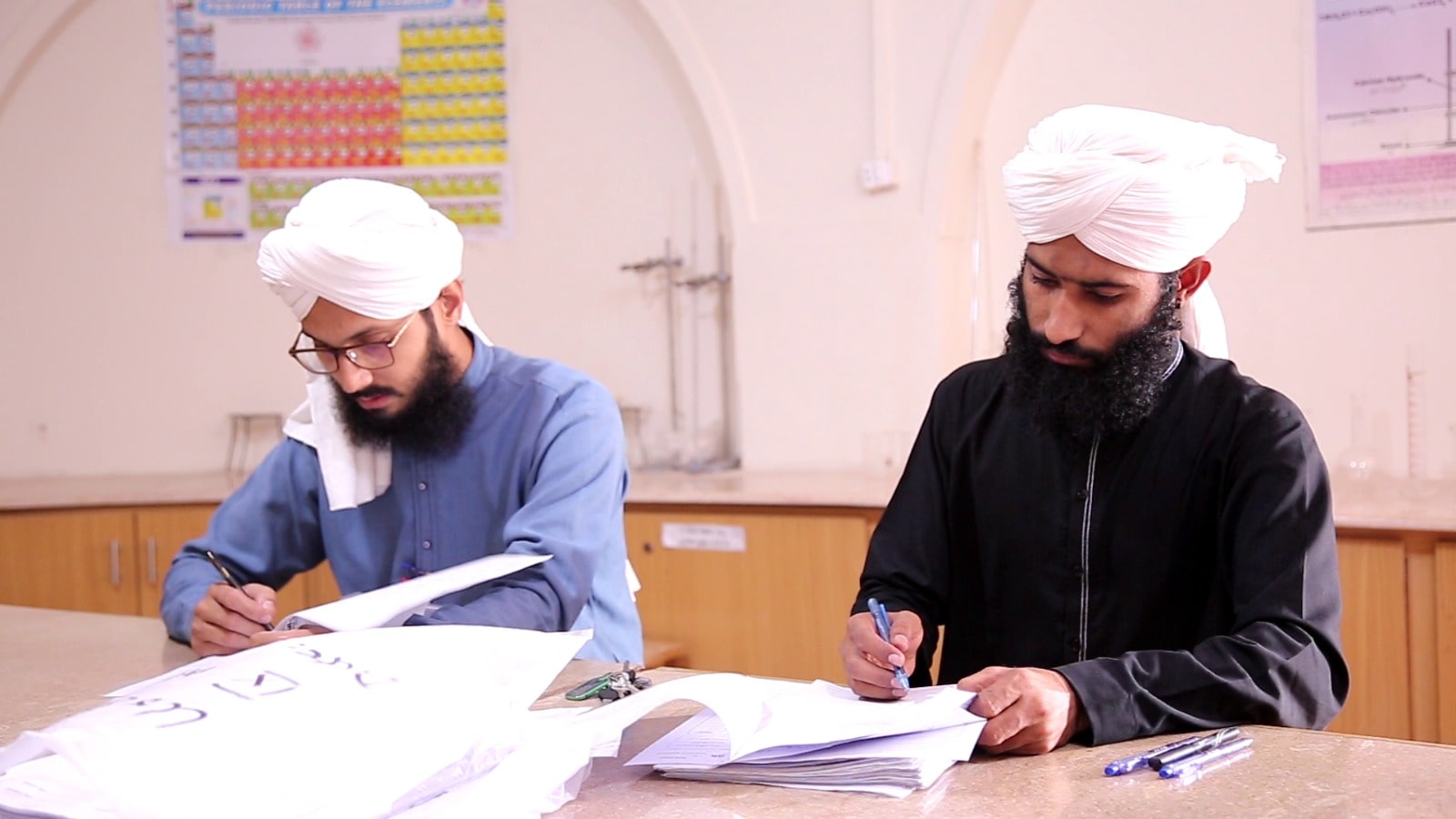
Training, Development & Monitoring Department (TDM), in collaboration with CEMs, TDM reviews academic practices, evaluates curriculum execution, and arranges tailored professional development programs. Continuous monitoring ensures that feedback translates into measurable improvement in teaching and student learning outcomes.
Parental Engagement
Regular PTMs and PMMs
Our Commitment
